
The FOMO Factor: How Cinematic Trailers Drive Mid-Week Escape Room Bookings
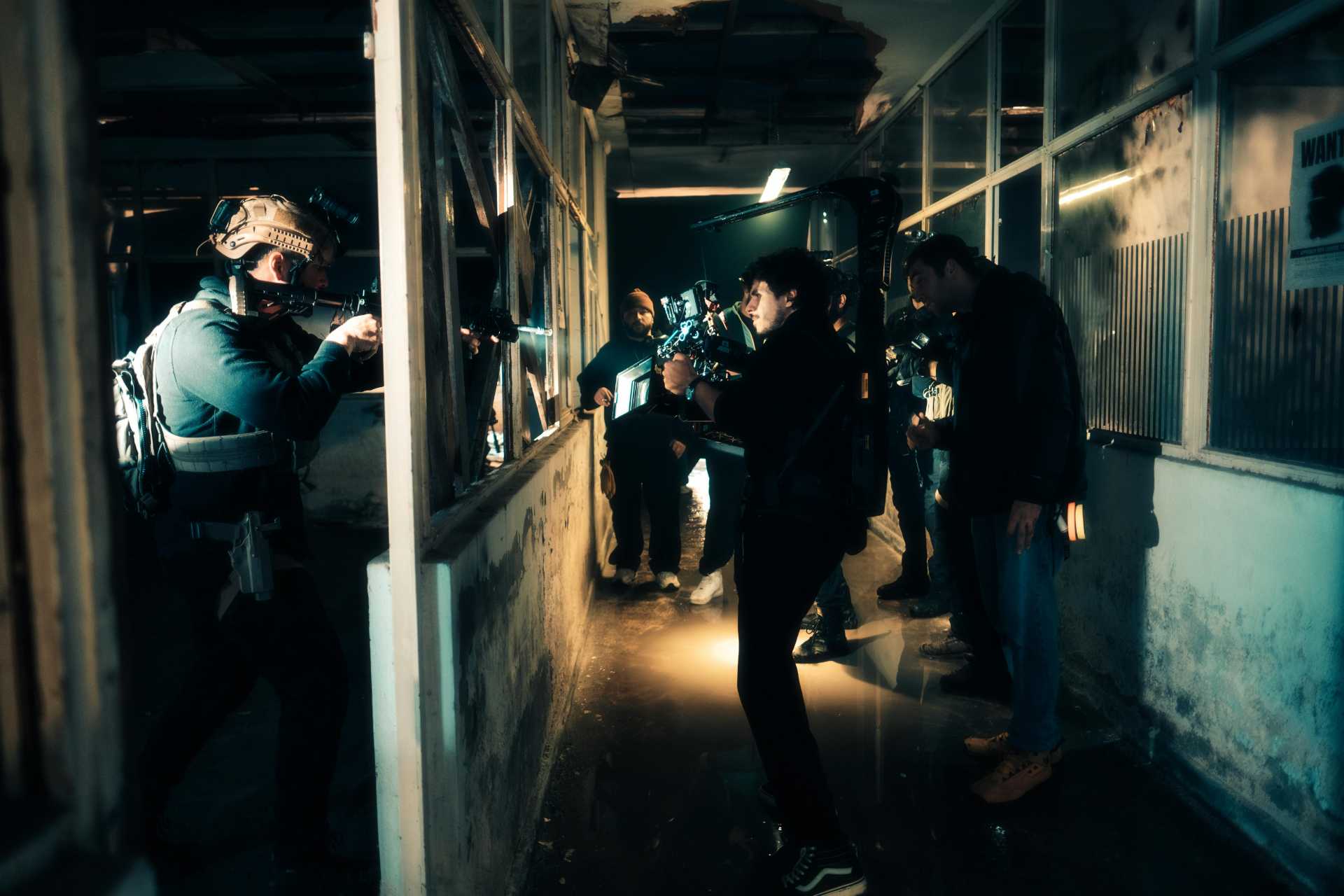
In the modern experience economy, you don’t have minutes to sell your brand; you have seconds. For an escape room owner, the challenge is unique. You aren’t selling a tangible product that a customer can hold or test drive. You are selling a feeling—a rush of adrenaline, a sense of mystery, and the satisfaction of a win. In 2026, as the market for immersive entertainment becomes increasingly saturated, the way you present that feeling online determines whether your lobby is packed or silent on a Tuesday night. This is precisely why a professional videographer has shifted from being a “nice-to-have” luxury to a core requirement for any serious marketing strategy.
Photos of a themed room are a start, but they are static. They don’t capture the ticking of the clock, the dimming of the lights, or the breathless moment before a hidden door swings open. To drive consistent bookings—especially the high-value mid-week and corporate slots—you need to move beyond “look at our room” and start triggering “The FOMO Factor” (Fear Of Missing Out).
The “Spoiler” Paradox: Selling the Mystery Without Giving it Away
One of the biggest hesitations escape room owners have regarding professional video is the “Spoiler Paradox.” There is a legitimate fear that if you show the room on camera, you ruin the game. However, cinematic videography isn’t about revealing the puzzles. It’s about capturing the texture of the adventure.
A high-end cinematic trailer focuses on the atmosphere rather than the mechanics. Instead of wide shots that show the entire layout of a room, a professional uses tight macro shots. They focus on the weathered brass of a 1920s lock, the flickering glow of a faulty neon sign, or the panicked eyes of a player as the timer hits sixty seconds. By using shallow depth-of-field and strategic lighting transitions, a videographer can build an entire world in thirty seconds without ever showing the solution to a single riddle. The goal is to make the viewer feel the pressure of the room, leaving them with the question: “Could I have gotten out?”
The Adrenaline Hook: Why Mid-Week Bookings Depend on Video
Most escape rooms thrive on Friday and Saturday nights through word-of-mouth. The real struggle is filling the Monday-to-Thursday gaps. These slots are often filled by two groups: corporate team-builders and impulse-seeking social groups. Neither of these demographics is moved by a standard gallery of photos.
Corporate event planners in 2026 are looking for professional proof of engagement. They need to see that their team won’t just be standing around, but actively collaborating and laughing. A high-energy, “vibe-driven” trailer acts as a visual pitch deck. It proves the quality of the set design and the intensity of the experience.
For the social group, video serves as an impulse trigger. Social media algorithms in the current landscape heavily prioritize short-form, high-impact video. A well-edited Reel or TikTok showing a group’s dramatic “last-second escape” creates an immediate emotional response. When a potential customer sees the genuine joy and high-fives of a successful group, the psychological barrier to booking drops. They aren’t just buying a game; they are buying that specific feeling of victory.
Technical Precision: The Difficulty of Filming in the Dark
The “gritty” reality of escape rooms is that they are a technical nightmare to film. Most rooms are designed with low-key lighting, tight corners, and often “dirty” light sources like LEDs or flickering projectors that cause banding on smartphone cameras. This is where the gap between an amateur clip and a professional production becomes painfully obvious.
To make an escape room look “expensive” and “premium,” you need gear that can handle high-dynamic range and extreme low-light environments without introducing “noise” or grain. Professionals utilize full-frame sensors and specialized “fast” lenses that can pull detail out of the shadows while maintaining the moody atmosphere you’ve worked so hard to create.
Furthermore, the “cinematic” look comes from intentional camera movement. Handheld smartphone footage often feels shaky and unpolished, which can subconsciously lower the perceived value of your brand. Using gimbals or sliders to create smooth, sweeping “discovery” shots makes your facility look like a Hollywood set. In the 2026 market, if your marketing looks amateur, customers will assume your rooms are amateur, too.
Multi-Channel ROI: One Shoot, Six Months of Content
Investing in a professional videographer isn’t just about getting one single trailer; it’s about building a content library. A single day of filming can be sliced into dozens of assets:
- The “Hero” Trailer: A 60-second cinematic masterpiece for your website landing page.
- The “Teasers”: 15-second high-intensity clips for Instagram and Facebook ads.
- The “BTS” (Behind the Scenes): Short clips showing the craftsmanship behind your puzzles to build brand authority.
- The “Reaction” Clips: 5-second loops of players’ emotional peaks for TikTok.
Data from 2026 marketing benchmarks shows that websites with video headers have a significantly higher “time-on-site” and a much lower bounce rate. When a user lands on your booking page and is immediately greeted by a high-definition, atmospheric video of your best room, they are far more likely to scroll down and check your availability.
Capturing the Heart of the Experience
In 2026, the winning businesses are those that tell the best stories. You have spent months—or even years—perfecting your game flow. Also, you have painted sets and designed intricate puzzles. Do not let that hard work be represented by a flat, dimly lit photo. Such images don’t do justice to the heart of your experience.
Moving from “we have a room” to “we have an adventure” requires a shift. You must adjust your approach to communicating with your audience. Cinematic trailers help you stand out from being just another local business. Instead, you become a destination. You give potential customers a taste of the adrenaline and a hint of the mystery. You provide a massive dose of FOMO. Finalize your brand’s story today with a professional video. In the world of escape rooms, customers face an initial puzzle. They must decide if your experience is worth their time. Make the answer obvious.
